Best Lakeside Picnic Spots in County Clare
Discover five calm, accessible lakeside locations perfect for bringing a blanket and spending an afternoon in genuine quiet. No crowds, no complicated logistics.
Discover hidden valleys, quiet mountain passes, and serene coastal inlets where you can truly unwind. We've found the best spots that don't feel crowded, even during peak season.
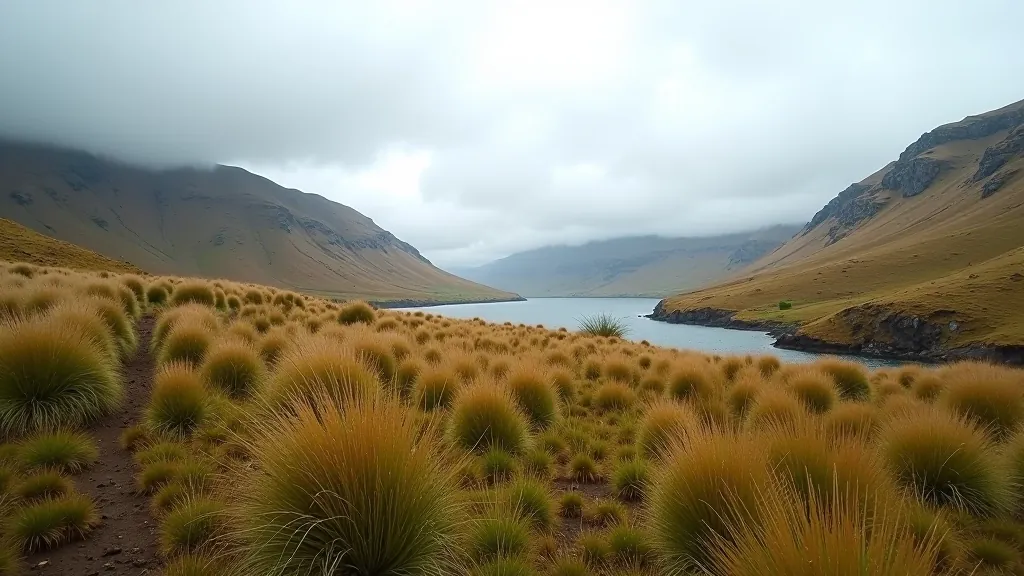
Connemara isn't your typical tourist destination. It's a place where you'll find genuine solitude without feeling isolated. The landscape changes constantly—rocky moorland gives way to gentle valleys, then suddenly you're looking out over wild Atlantic coastline. What makes it special is the combination of dramatic natural beauty and the feeling that you've stumbled onto something real.
Most visitors stick to the main roads around Clifden and Leenane. But there's a whole other side of Connemara that opens up if you're willing to explore a bit further. Quieter villages, lesser-known walking routes, and places where you genuinely might not see another person for hours. That's where the real peace lives.
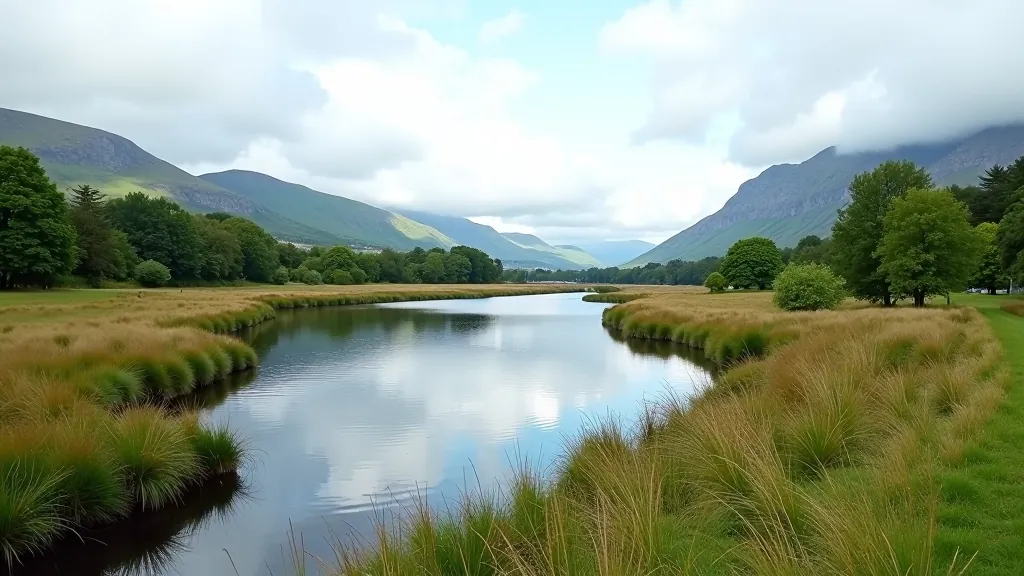
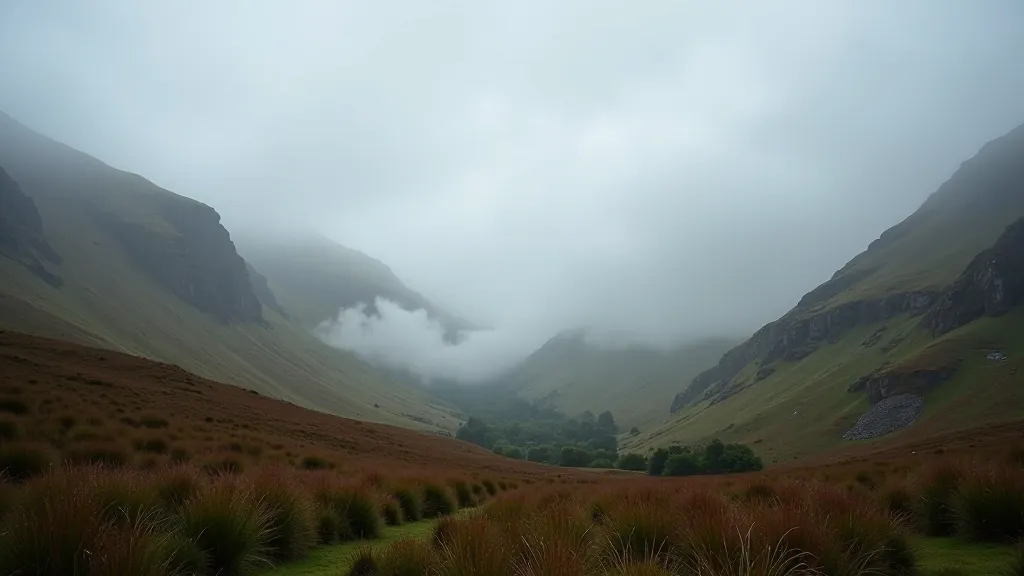
If you're looking for somewhere to truly disconnect, the inland valleys are where you'll find it. Places like Finny Valley and the Owenglin River gorge feel worlds away from civilization, even though they're only 15 minutes off the main N59.
You'll find small car parks at various access points—usually unmarked, which is part of the appeal. From there, you're walking through genuine wilderness. The paths aren't always obvious, but that's the point. You're not following crowds; you're following the landscape itself. The valleys have this incredible acoustic quality too. Sounds carry differently here, and the quietness becomes almost tangible.
We'd recommend visiting between April and October. Winter's beautiful but the weather's unpredictable, and early spring mornings can be misty enough that you'll lose the views. Mid-morning to early afternoon gives you the best light without the heat of summer.
Important: This article provides general information about visiting Connemara. Always check current weather forecasts and trail conditions before heading out. Wear appropriate clothing and footwear, and let someone know where you're going. Some areas are remote with limited mobile signal. While these locations are accessible to most visitors, individual fitness levels vary—choose routes that match your comfort level.
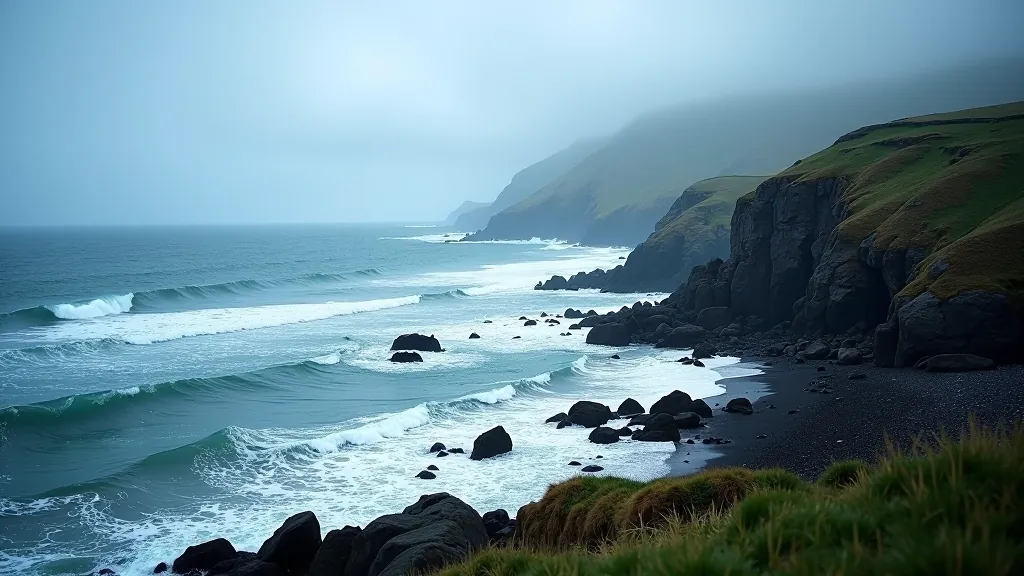
The Connemara coastline is completely different from the valleys. Here, you're dealing with dramatic cliffs, exposed headlands, and beaches that feel genuinely untouched. The wind can be fierce—it's Atlantic wind with nothing between here and North America—but there's something energizing about it.
The walk from Omey Island to Clare Island takes about 2-3 hours and covers roughly 8 kilometers. You'll see seal colonies, bird species you won't find inland, and on clear days, views all the way to the Aran Islands. The terrain's rocky but manageable, and there's a genuine sense of exploration even though the path is established.
Timing matters here more than in the valleys. You need to check tide times—some sections become impassable at high tide. Low tide gives you access to beaches and coves that literally disappear under water twice a day. It's worth planning your walk around these natural rhythms rather than fighting against them.
You don't need to spend your entire weekend walking. Connemara has several small towns that offer genuine character without the tourist overlay you'll find in Galway or Clifden.
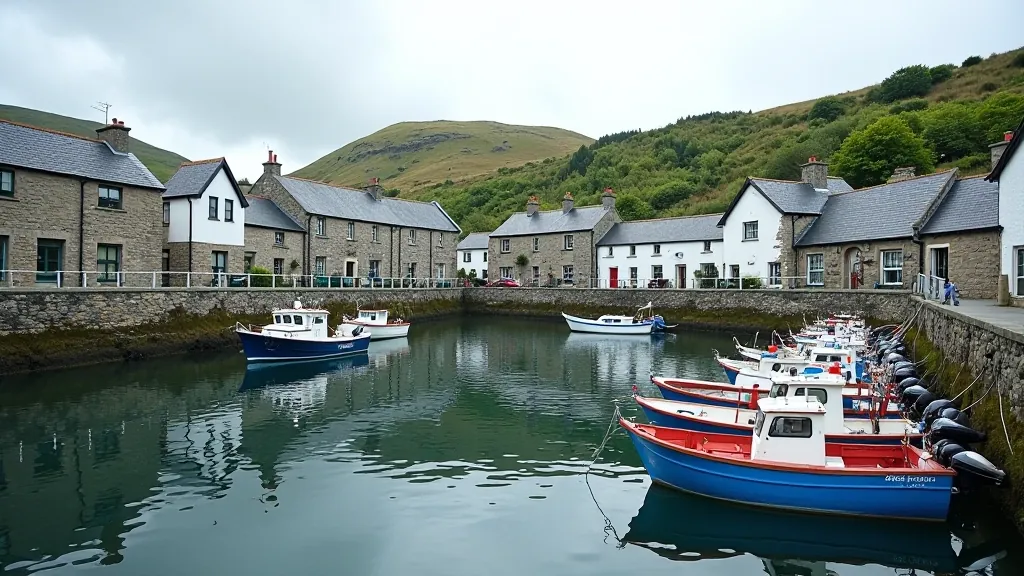
Roundstone is our top recommendation. It's a working fishing village that hasn't been transformed into a theme park. There's a proper pub culture here—not the "singing and dancing for tourists" variety, but actual locals having actual conversations. The harbor's beautiful, especially at sunset, and the beaches nearby are quiet even during summer.
Leenane sits at the head of Killary Fjord and has a completely different character. It's more dramatic and exposed, with the fjord creating this sense of being at the edge of things. The walk along the fjord shore takes about 45 minutes and gives you some of the best views in the region. There's also a sheep and wool museum if you want something low-key on a rainy afternoon—yes, it's niche, but it's surprisingly good.
Both towns have decent restaurants and accommodations. You'll find traditional Irish food done properly—not simplified for tourists. The coffee culture isn't as developed as you'd find in bigger cities, but that's part of the appeal. You're not there for trendy brunch spots; you're there for simplicity.
Connemara's accessible by car from Galway (about 90 minutes to Clifden) or from the north via Westport. There's no rail service, so you'll need your own transport or a rental. The N59 is the main route through the region.
Roundstone, Leenane, and Letterfrack are good bases. They're quieter than Clifden but have proper accommodations. Guesthouses and small hotels are the norm here—you won't find chain hotels, which is entirely the point.
April through September for reliable weather. July and August are busier but still manageable if you venture beyond the main attractions. May and September offer perfect conditions—warm enough but fewer crowds.
Layers are essential—it can be 15°C and sunny one hour, then cold and rainy the next. Waterproof jacket, sturdy shoes, and a hat you won't mind losing to the wind are non-negotiable.
Connemara won't give you spa-resort relaxation. It won't give you gentle afternoon strolls through manicured gardens. What it will give you is genuine quiet—the kind where your mind actually stops racing because there's nothing forcing it to stay busy.
The valleys, coastlines, and small towns we've described aren't secret anymore (nothing really is), but they're still genuinely peaceful. They're not overcrowded. You'll have space to breathe, to think, to just be for a while. That's increasingly rare, and it's worth traveling for.
Start with one valley walk or one coastal path. Spend an evening in Roundstone watching boats in the harbor. Then come back when you're ready to explore further. Connemara isn't going anywhere, and neither should you when you get there.