Best Lakeside Picnic Spots in County Clare
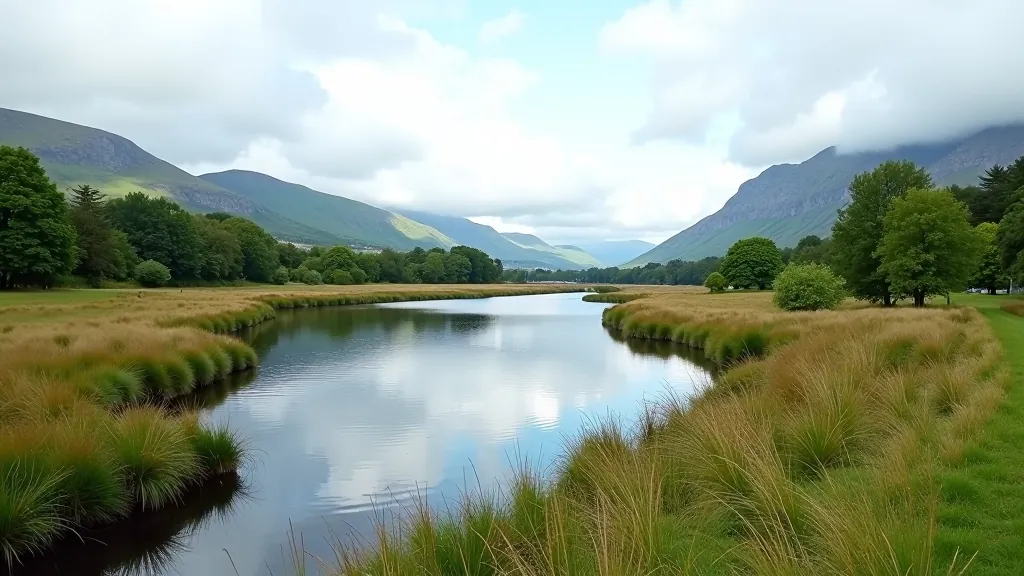
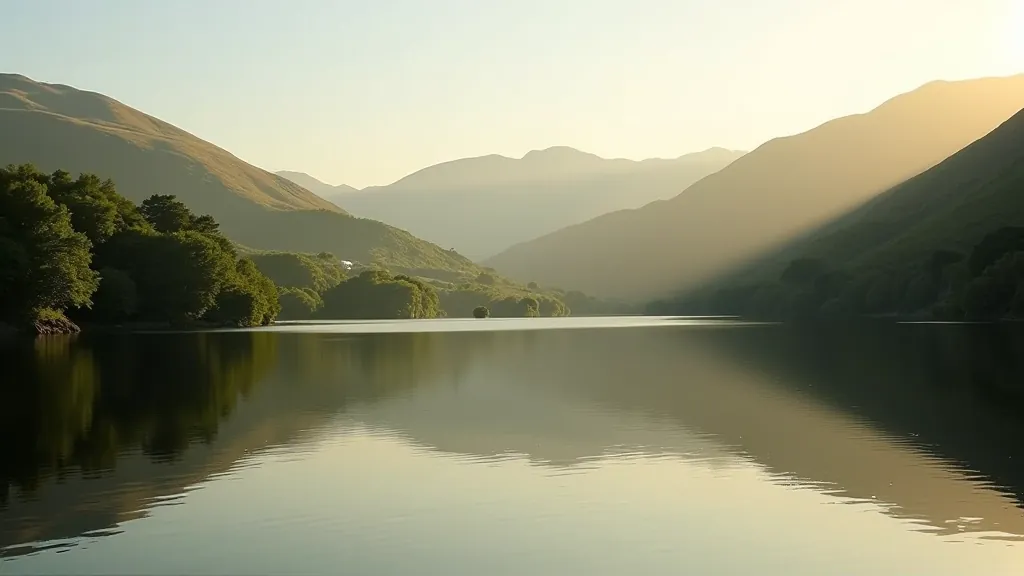
Discover five calm, accessible lakeside locations perfect for bringing a blanket, good food, and spending quiet afternoons by the water.
Read ArticleDiscover accessible woodland trails across Ireland's managed forests. From gentle strolls to more challenging hikes, there's a path suited to your pace and preferences.
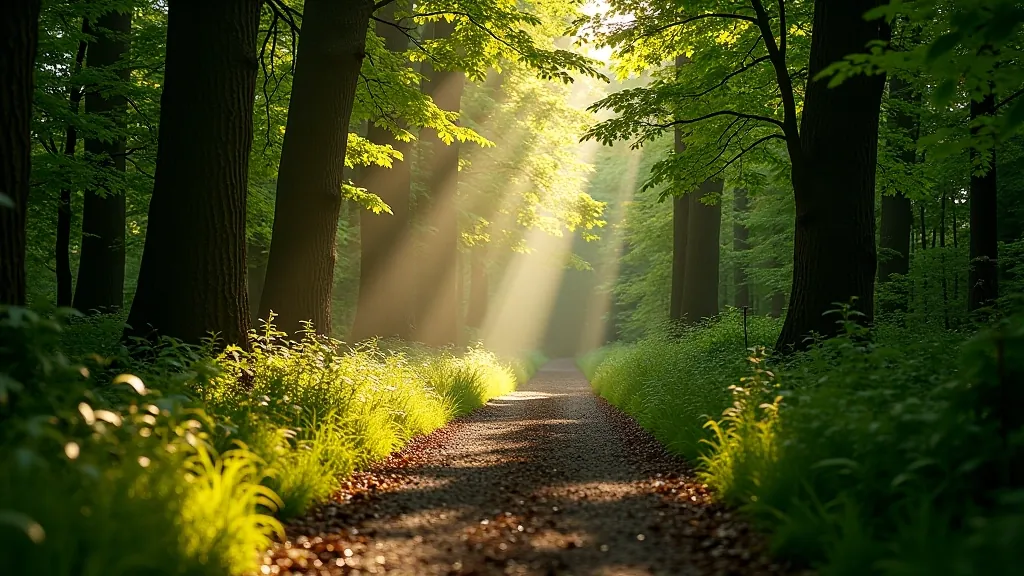
Ireland's Coillte forests span over 17,000 hectares across the country, offering some of the most accessible woodland experiences you'll find. Whether you're looking for a gentle 20-minute walk or a full morning adventure, these managed forests have been designed with visitors in mind. The terrain is well-maintained, signage is clear, and there's genuine variety — you're not stuck doing the same flat loop every time.
What makes them different from other walking spots? Coillte maintains these areas specifically for public access. That means proper parking, picnic areas, and trails that're graded by difficulty. You'll know exactly what you're getting into before you start.
Easy trails typically range from 1-3 km and take between 20-45 minutes. They're flat or gently rolling, with well-packed surfaces that're easy underfoot. You won't need any special equipment — good shoes and weather-appropriate clothing are all you need.
Popular easy routes include the Avoca Forest Walk (County Wicklow), which loops through mixed woodland without steep climbs. The Breenogue Forest near Ennis offers 2.5 km of relatively flat terrain with excellent views across the Clare countryside. These aren't boring walks — there's proper scenery, bird activity, and enough variation to keep things interesting.
Pro tip: Start with a walk you've done before on your next visit. Repetition builds confidence, and you'll notice details you missed the first time.

The information in this guide is educational and based on general Coillte forest conditions as of May 2026. Trail conditions, weather, and accessibility can change seasonally. Always check local Coillte visitor information before your visit, bring appropriate footwear and weather protection, and let someone know where you're going. If you have existing health conditions, consult with your doctor before undertaking any new walking routine.
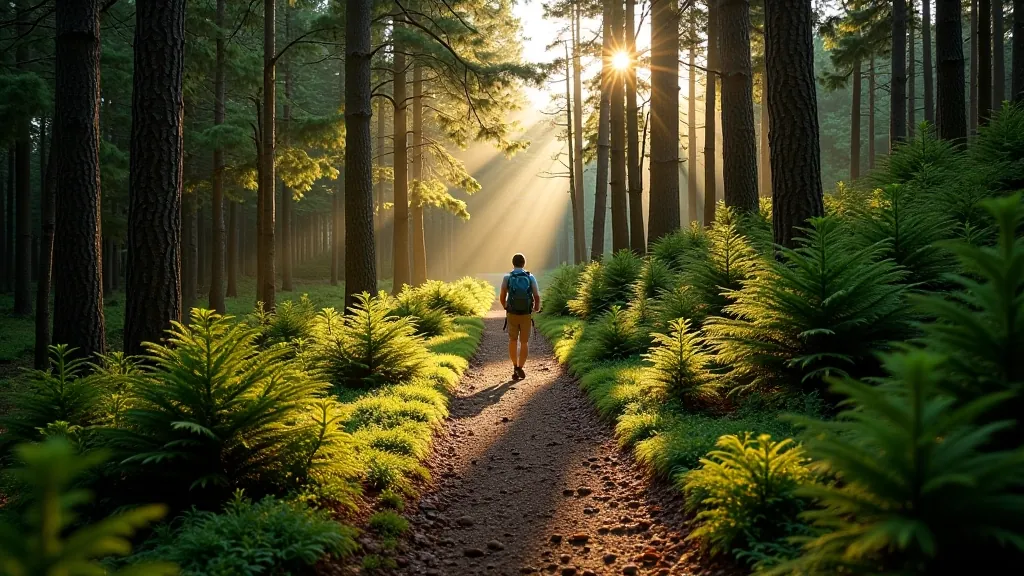
Once you're comfortable with easy routes, moderate walks open up new possibilities. These typically run 4-7 km with some elevation gain — nothing extreme, but enough to notice your legs working. Expect 1-2 hours of actual walking time, though most people spend 2-3 hours exploring at a comfortable pace.
Kilmainham Forest (County Westmeath) has a 6 km circuit with steady but manageable climbing. The Mahon Forest near Bandon offers similar difficulty with beautiful views over Cork countryside. These routes build real fitness without feeling punishing — you'll feel genuinely accomplished without being exhausted.
If you've been walking regularly and want genuine challenge, Coillte's harder trails deliver. We're talking 8-12 km routes with significant elevation gain — proper hikes that'll take 3-4 hours and leave you genuinely tired afterward. But here's the thing: they're still managed terrain with clear paths, not scrambles or technical climbs.
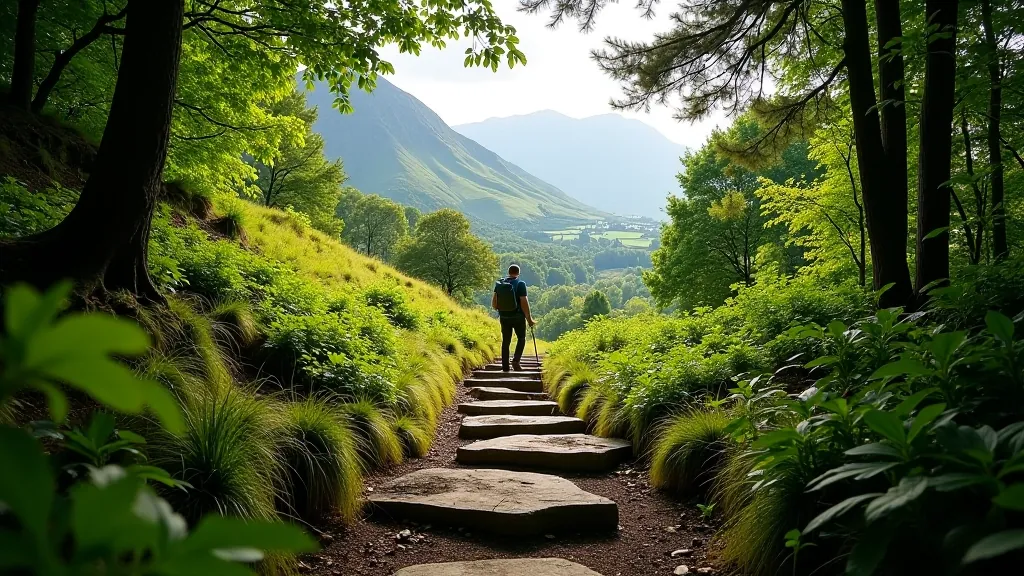
Glenveagh Forest (County Donegal) has several options, with routes climbing into the foothills of the Derryveagh Mountains. Shillelagh Forest (County Wicklow) offers longer loops through serious woodland with real elevation. These walks reward your effort with views you simply don't get from easier routes.
Coillte's website lists all forest locations with visitor information, trail maps, and any current closures. Don't rely on memory or old information.
Popular forests fill up, especially weekends. Getting there by 9 am means better parking and quieter trails. You'll enjoy the forest more with fewer people around.
Irish weather's unpredictable. Bring waterproof layers even if the forecast looks fine. You'll stay comfortable and confident regardless.
Many Coillte forests have picnic areas. Bring something to eat — energy dips around the 2-hour mark, and a proper break resets you completely.
Proper walking boots or trail shoes make a genuine difference. They provide ankle support and grip on damp forest floors. Don't cheap out here.
There's genuinely no point pushing hard. Slow and steady covers way more distance than sprinting. Rest when you're tired — that's not failure, that's smart walking.
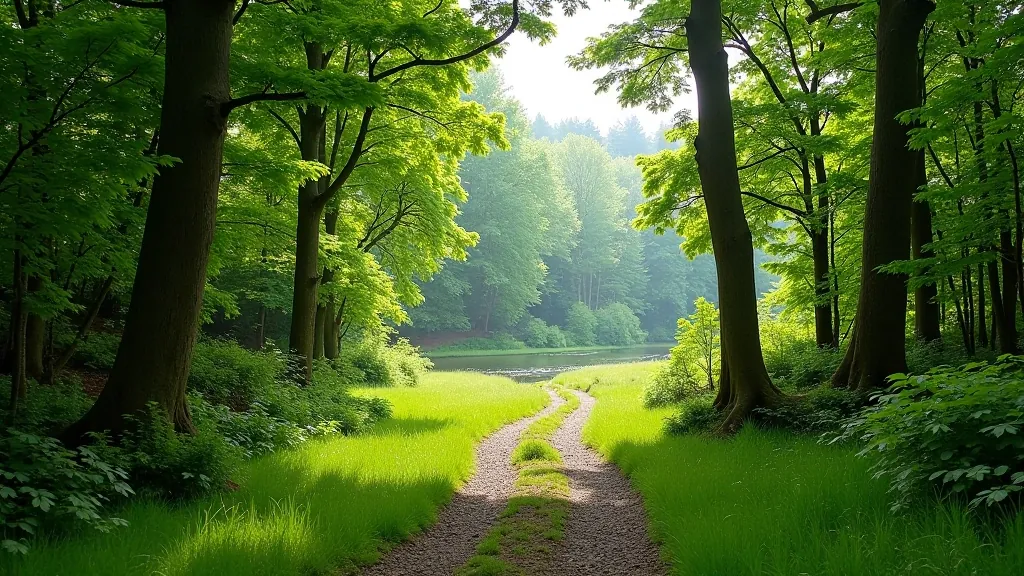
The hardest part isn't finding the right trail — it's actually getting out the door. Here's what works: pick one easy forest near you and visit it three times before trying anything different. You'll build confidence, discover details, and establish a genuine habit. That consistency matters way more than ambitious long walks.
After a month of regular visits, you'll naturally want to try something slightly harder. Your body adapts, your mind settles into the rhythm of walking, and you'll find yourself looking forward to it. That's when you know it's become real.
Coillte forests aren't just destinations — they're spaces where you can be genuinely active while actually enjoying yourself. No competition, no time pressure, just you and the trees. Start easy, go steady, and let the routine build from there.